When to Rewire a House in Auckland: Signs, Process, Cost & When to Upgrade
You’ve just bought a 1920s villa in Mt Eden, and your insurer wants to know when the wiring was last replaced. You’ve got no idea.
Many houses in and around Auckland are now well over half a century old, so knowing when to rewire a house matters, and it comes down to what’s inside your walls rather than the year on the title.
Below, we’ll cover what to look for, what the rewiring job will involve, and what it’s likely to cost.
How Often Should a House Be Rewired?
There’s no fixed date or timeline for house rewiring. Wiring in New Zealand homes typically lasts anywhere from 25 to 40+ years, and the type of cable matters far more than your home’s age.
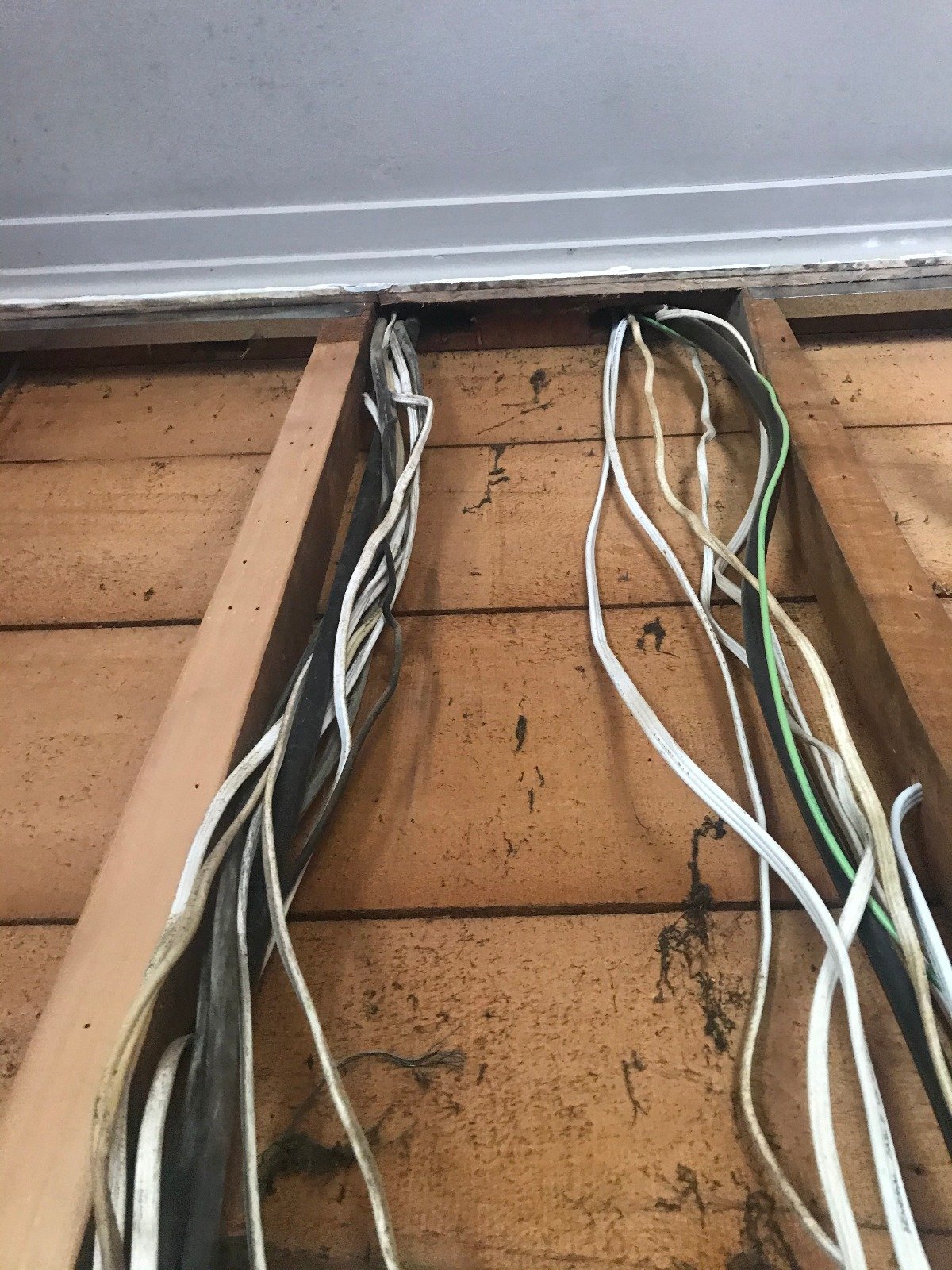
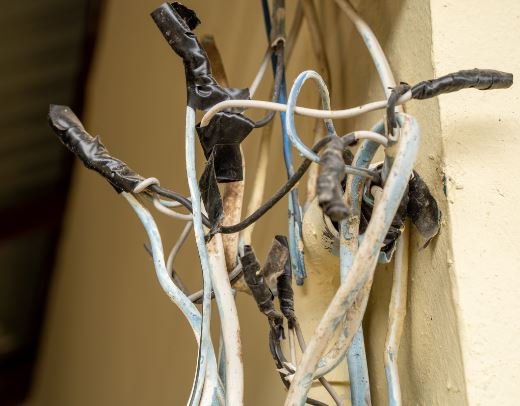
You may not be aware that many houses built in the 40s and 50s were wired with vulcanised Indian rubber, or VIR. Naturally, over time, the rubber breaks down. The insulation turns brittle and crumbles away, leaving live copper exposed in your ceiling space and creating a real fire risk. VIR mostly turns up in homes from the 40s and 50s, though we do occasionally find it in houses built as late as the 1980s.
Another cable from around the same era worth knowing about is the single-core cloth-covered cable, run through steel conduit. It doesn’t break down quite as badly as VIR, but it can still deteriorate and become a risk over time. These setups also tend to have poor earthing, which makes installing new lights, or even repairing existing ones, more of a job than it should be.
Modern TPS (tough plastic sheathed) cable is a different story, and well-installed TPS can last for decades. So when people ask how often a home should be rewired, our honest answer is “when the wiring’s condition says so.” We can check that condition directly with an Insulation Resistance Test (IRT), rather than guessing.
Does a 50-Year-Old House Need Rewiring?
Not automatically. Many homes built 50 years ago have TPS cable rather than VIR. That doesn’t mean it’s in the clear, though. Plenty of 1970s homes still run on the original fuse board with ceramic fuses, have no RCD protection, and only a handful of circuits. Add a few decades of DIY extras, and you can end up with a system that works, but isn’t safe.
Here’s a rough guide to what we typically find in central Auckland homes:
| When it was built |
What’s usually in the walls |
What we’d recommend |
| Pre-1940s villas and bungalows (Mt Eden, Grey Lynn, Ponsonby) |
Original VIR, or a patchwork of old and new cable from past renovations |
An inspection, then most likely a full rewire |
| 1940s–1950s homes |
VIR is common |
A rewire is usually overdue |
| 1960s–1970s homes |
Early TPS, ceramic fuses, and not many circuits |
A switchboard upgrade and wiring check, where a partial rewire may be enough |
| 1980s onwards |
TPS |
Check for RCD protection and enough circuits for modern appliances |
That’s why every old house rewiring decision we make starts with a proper look in the ceiling space and at the switchboard.
Do I Need to Rewire My House? The Warning Signs
If you’re asking yourself, “Do I need to rewire my house?”, start with the things you can see, smell, and hear:
Signs you’ll notice yourself
- Breakers or fuses that trip regularly under normal household use
- Power points or switch plates that feel warm or look discoloured
- Buzzing or humming from outlets or switches
- A burning smell that won’t go away (switch that circuit off at the board and call us immediately)
- There’s a tingling sensation when you touch your electrical appliances
- Lights that dim or flicker even after you’ve replaced the bulb
- Extension leads and multiboxes in every room because there aren’t enough power points
Signs only an electrician will find
Some of the biggest risks hide where you can’t see them. During an inspection, we check for:
- Crumbling rubber insulation in the ceiling or under the floor
- A ceramic fuse board instead of circuit breakers
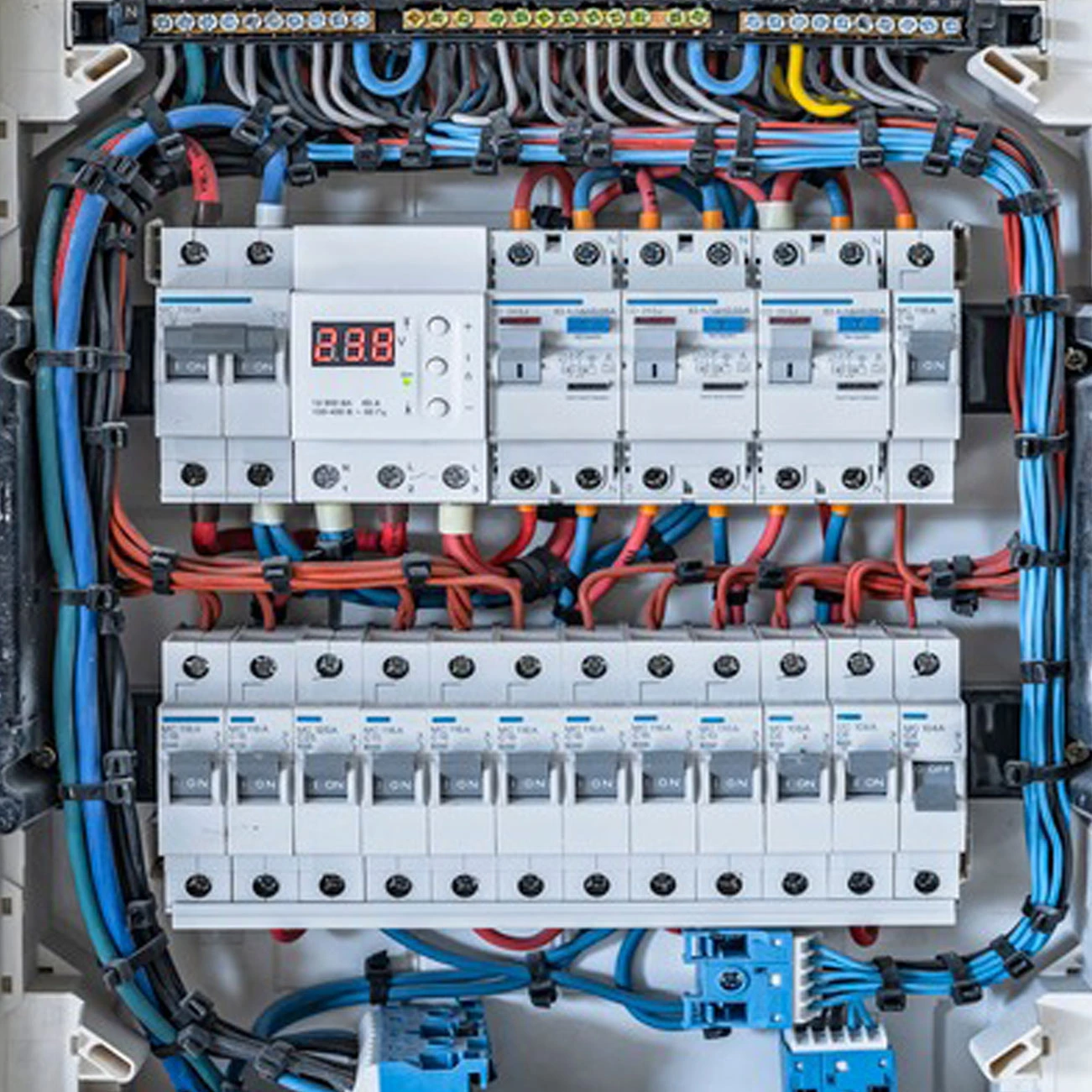
- No RCDs (residual current devices), the safety switches that cut the power in a split second if current leaks to earth
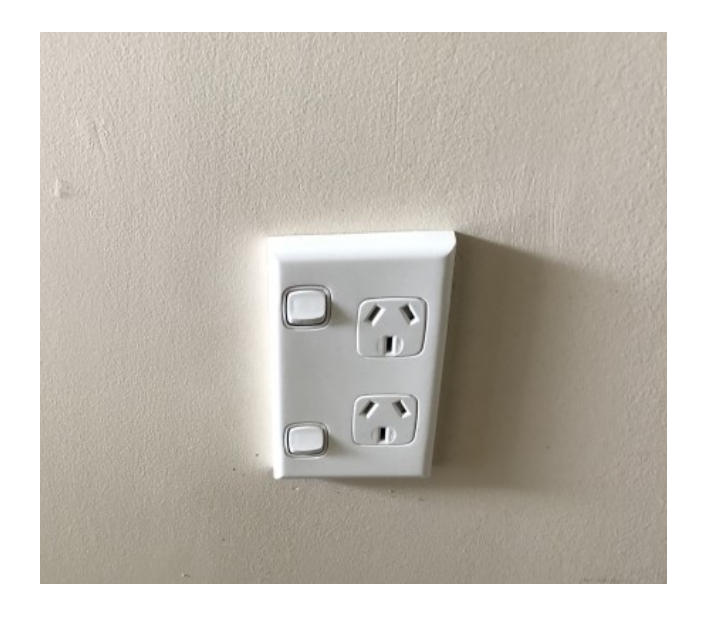
- Power points with no earth connection
- Overloaded circuits, often from heat pumps and kitchen appliances added over the years
- Unsafe joins and DIY work tucked away in the ceiling
Full Rewire, Partial Rewire, or Repair?
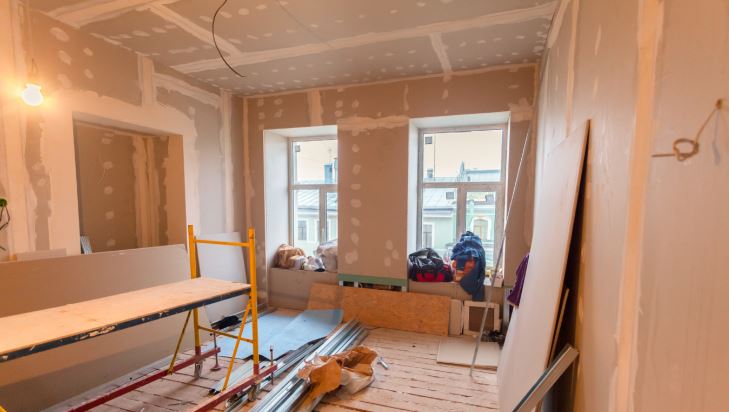
Not every older home needs every cable replaced. If one part of the house has already been renovated and the rest tests well, a partial rewire of the old circuits might be all you need.
But if the wiring is ageing right through the house, fixing it one fault at a time usually costs more over a few years than doing the whole job once. We’ll tell you straight which option makes sense for your home, even if the answer is neither.
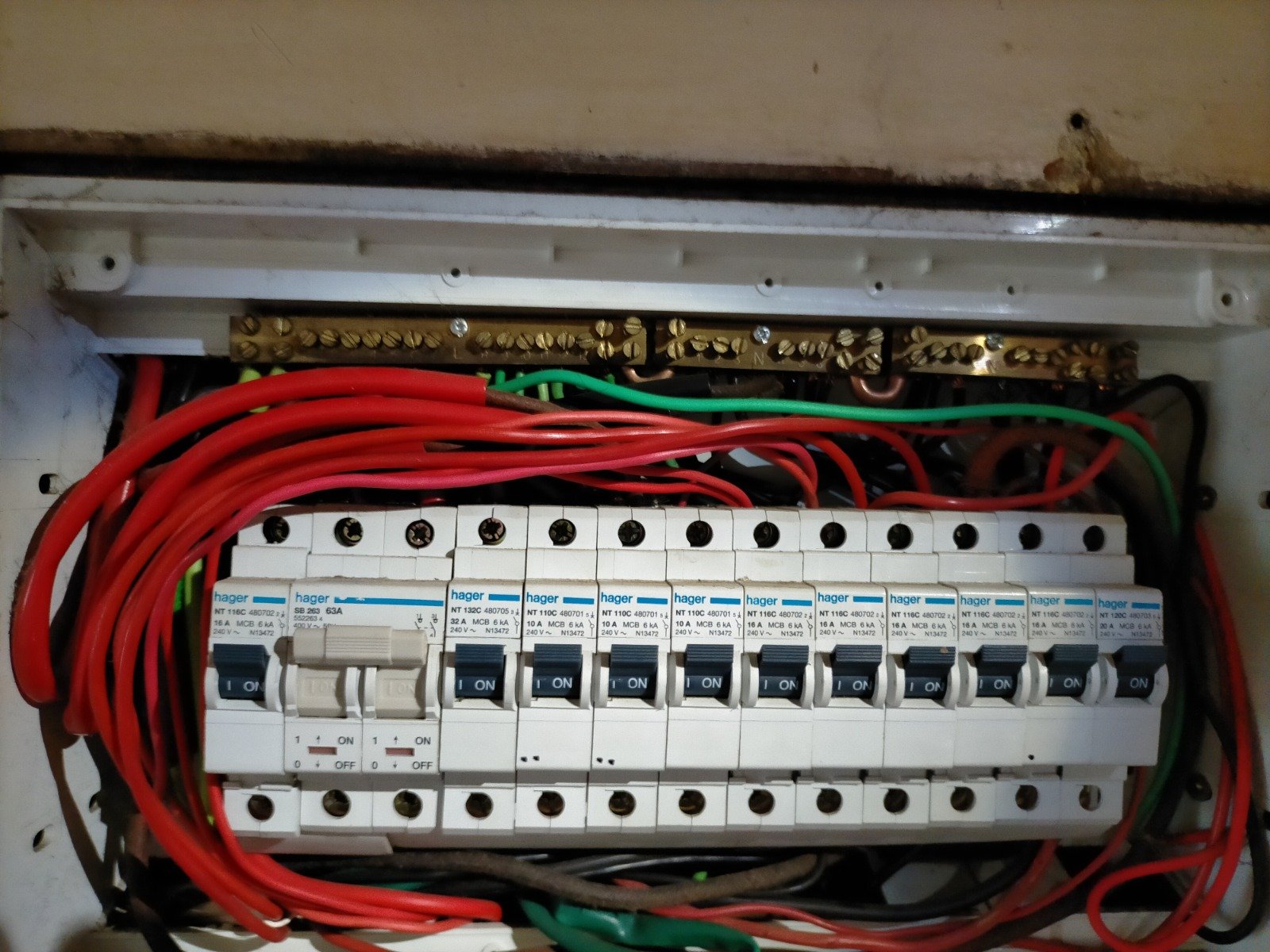
A switchboard upgrade often goes hand in hand with either option. Swapping old ceramic fuses for circuit breakers and RCDs is one of the biggest safety improvements you can make to an older home.
When Do You Need to Rewire a House?
Warning signs aside, a few moments make rewiring easier, cheaper, or simply unavoidable. So, when do you need to rewire a house? It’s usually at one of these points:
-
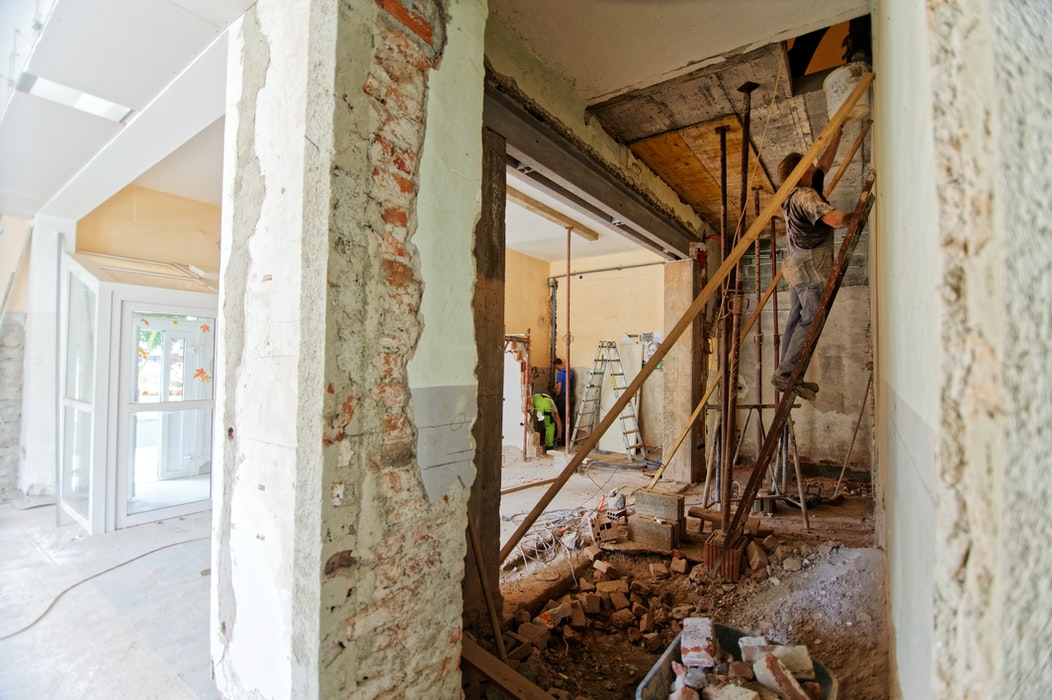
- During Renovation: With walls and ceilings open, running new cable is faster, and there’s less patching afterwards. Builders and developers, bring us in before the linings go up.
- When You Buy an Older Home: It’s much easier to rewire the house before you move your furniture in.
- When Your Insurer Asks: Many insurance companies now refuse to renew cover on houses that haven’t been rewired. We can even provide your insurer with a full report on the condition of your electrical wiring.
- Before Adding Big Loads: If you’re installing things like a heat pump, induction cooktop, or EV charger, it’s a good opportunity to rewire.
- When Tenants Keep Reporting Faults: For landlords, repeated trips and dead power points can signal a problem bigger than one fitting.
What Happens During a House Rewire?
Here’s how a typical job runs with the Hall Electrical team:
- Inspection & Quote: We check the ceiling space, subfloor, and switchboard, then talk through extra power points, lighting, and any future plans. If we find your house needs rewiring, we provide a free quote detailing the necessary work and the likely cost.
- Planning the Circuits: We lay out new circuits to suit how you live now, such as separate circuits for the kitchen, heat pump, or home office.
- Running New Cable: We run new cable through the ceiling and under the floor wherever we can, avoiding opening walls.
- Fittings & Switchboard: New switches, power points, and a modern switchboard with RCDs go in. We’ll only replace existing switches, outlets or light fittings where it’s actually necessary, meaning they’re broken, faulty or unsafe, not just because they’re old.
- Testing & Certification: We test every circuit and give you a Certificate of Compliance (CoC) confirming the work meets AS/NZS 3000, the national wiring rules.
How long does it take? Usually, in a normal-sized home, it takes 1 to 1.5 days to rewire the lights and the same to rewire the power. Two-storey homes take a little longer as they can be tricky.
Living in your home while we rewire
Do you have to move out? No. Power will be off for part of the day or days, but it won’t cause major problems. We never leave fridges or freezers off, and we try to cause as little disruption as possible.
Before we pack up each afternoon, we turn your lights and power back on, unless we’ve found a fault or safety issue that needs sorting first. We always make sure everything is fully functional for cooking dinner at night.
As for holes in the walls, we really try to avoid them. Occasionally, we can’t get the new wiring in without making holes, but we’ll always tell you first and give you all the options.
You don’t need to stay home while we work either. Our whole team has Police Security Clearance, so you can be confident we won’t nosey around!
Do You Need a Building Consent to Rewire a House?
In most cases, no. Rewiring an existing home usually doesn’t require building consent from Auckland Council.
What it does need is a licensed electrician and the right paperwork. Once the work is tested, your electrician must give you a Certificate of Compliance (CoC) under the Electricity (Safety) Regulations 2010, confirming the work meets AS/NZS 3000. After the installation is connected, you’ll also get an Electrical Safety Certificate (ESC) confirming it’s safe to use.
Consent only comes into play when the rewire is part of a bigger project, like an extension, new build, or structural renovation. In that case, the council will usually ask for the electrical CoC before it signs off the build.
We handle the certification for you. Keep your CoC with your house records, because insurers, buyers, and property managers often ask to see it.
The Cost of Rewiring an Old House in Auckland
Every home is different, so only an on-site inspection can provide an accurate whole-house rewire estimate. As a guide, 2026 market figures put a full rewire of a standard three-bedroom home at around $8,000 to $15,000, with larger homes and character villas costing more.
The cost of rewiring old house electrics usually comes down to these factors:
| Factor |
Why it affects the price |
| Size and number of storeys |
More rooms mean more circuits, and two-storey homes are harder to run cable through |
| Ceiling and subfloor access |
Good access keeps labour down, while low ceiling spaces and concrete floors add time |
| Wall type |
Brick, plaster, and old lath-and-plaster walls take longer than GIB |
| Switchboard |
An old fuse board usually needs replacing with circuit breakers and RCDs |
| Extras |
More power points, downlights, outdoor circuits, or an EV charger |
| Making good |
Any patching and painting once the new cable is in |
Rewiring during a planned renovation helps keep the price lower, as many walls may already be open and there’s less making good afterwards.
Book a Wiring Inspection in Central Auckland
Living in an older home in Mt Eden, Epsom, Grey Lynn, or Greenlane, and not sure where your wiring stands? Book an inspection with Hall Electrical, and we’ll tell you honestly whether you need a full rewire, a partial rewire, or nothing at all.
As Master Electricians members, our local team will give you a clear written quote before starting any work. Contact us today.





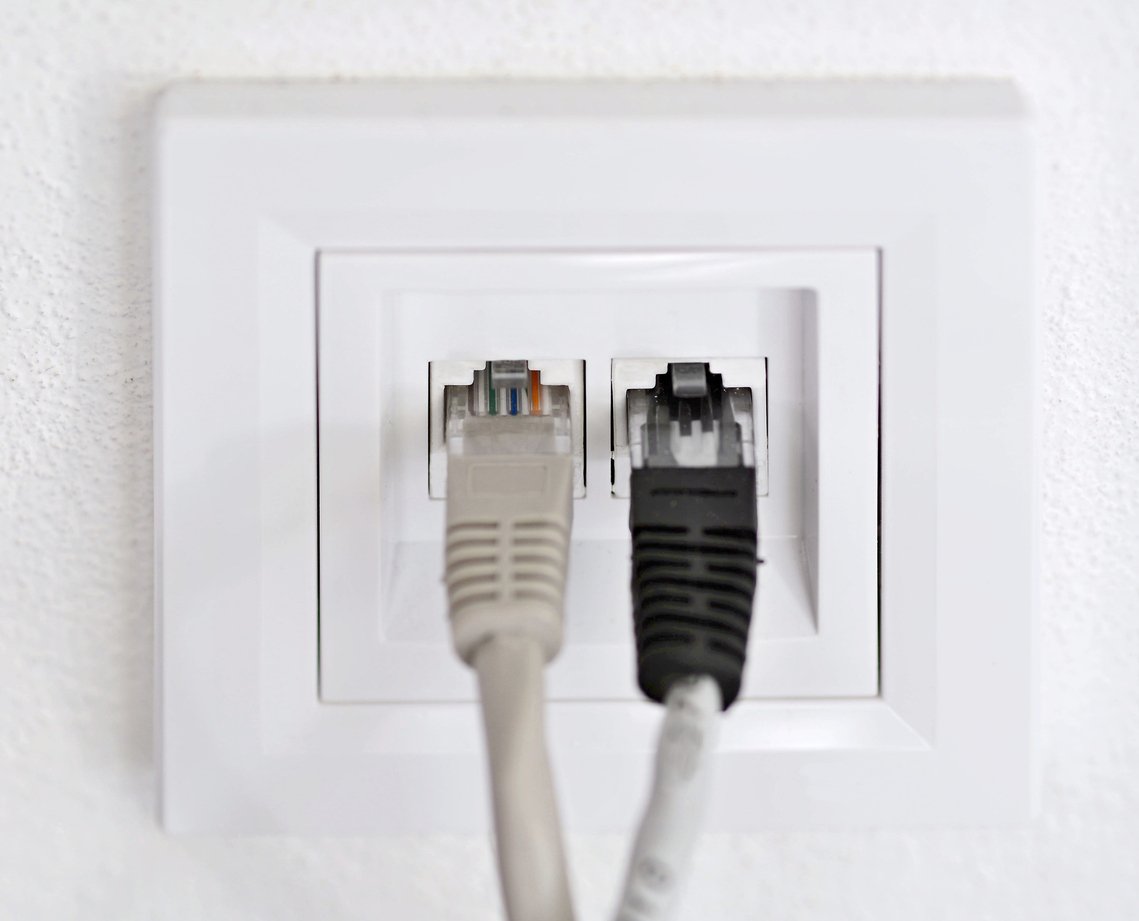
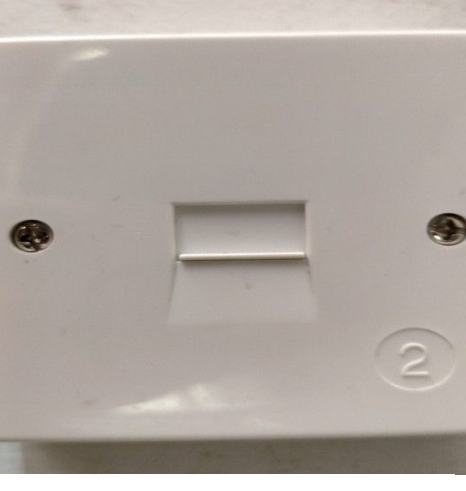
 To install an ethernet wall socket an ethernet cable needs to be run through the walls from the modem to the location of the new socket. Halfway through the job, the Mt Eden customer asked to install an additional socket behind their TV. We were happy to accommodate this request and installed an additional socket.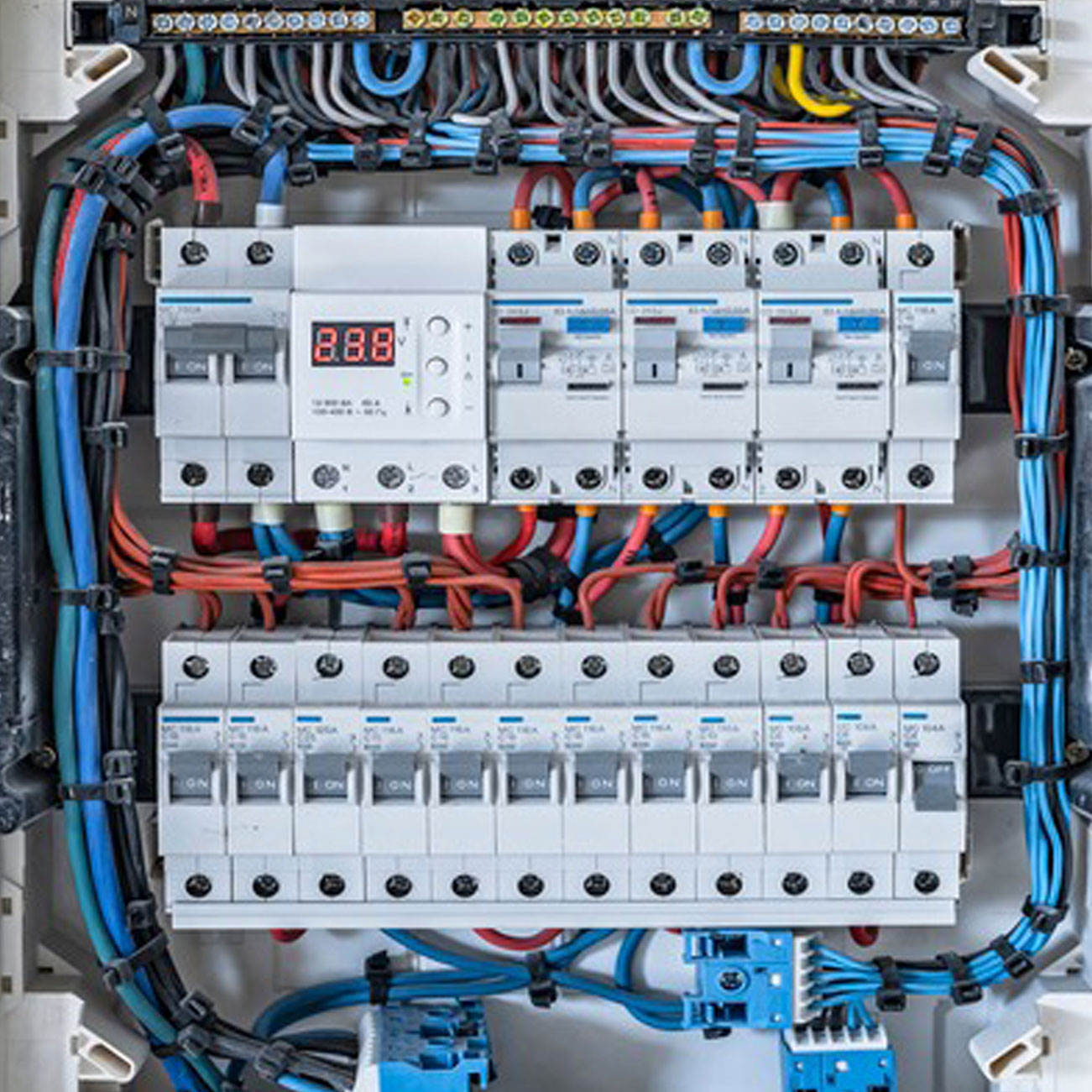




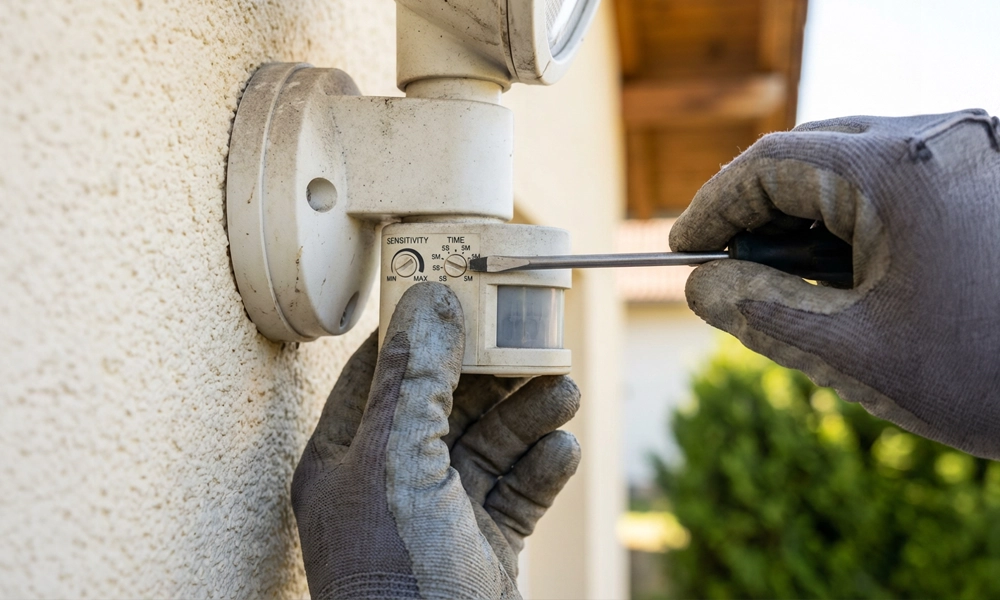 Before applying fixes, identify where the issue begins to avoid guesswork. Careful checks and step-by-step testing help improve accuracy and limit unnecessary changes.
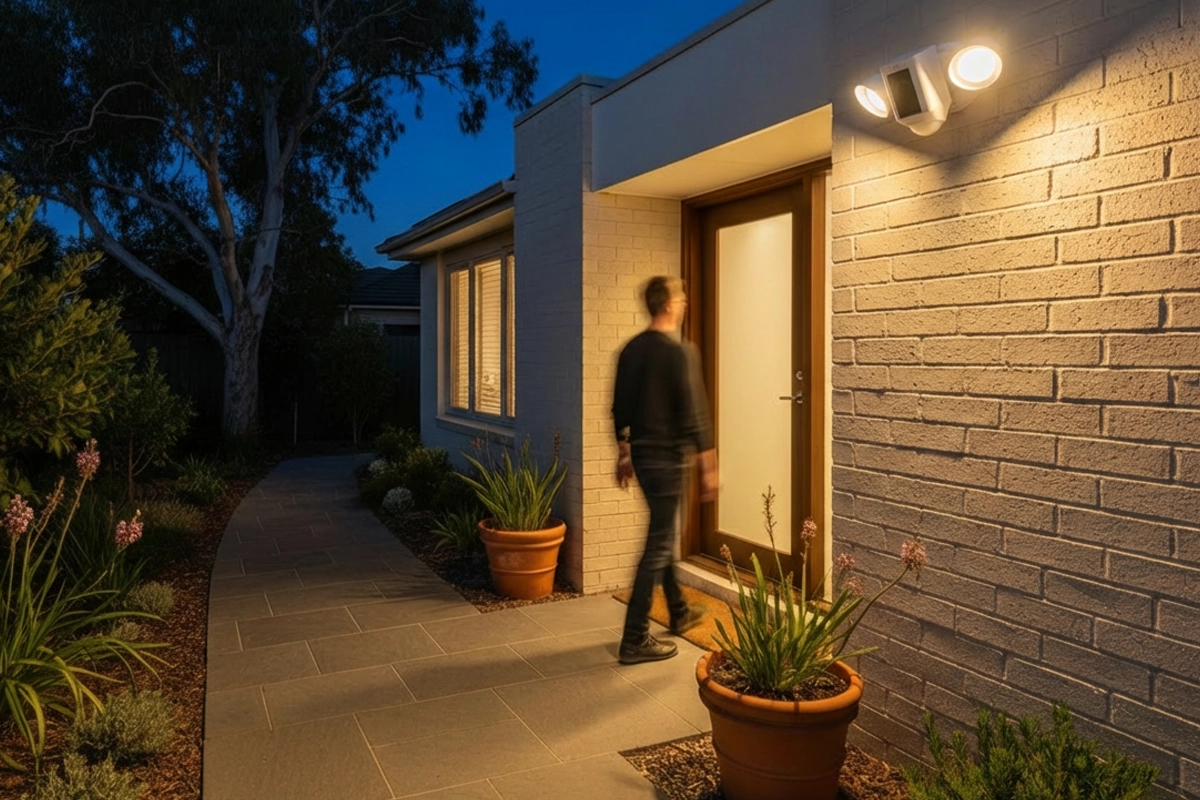
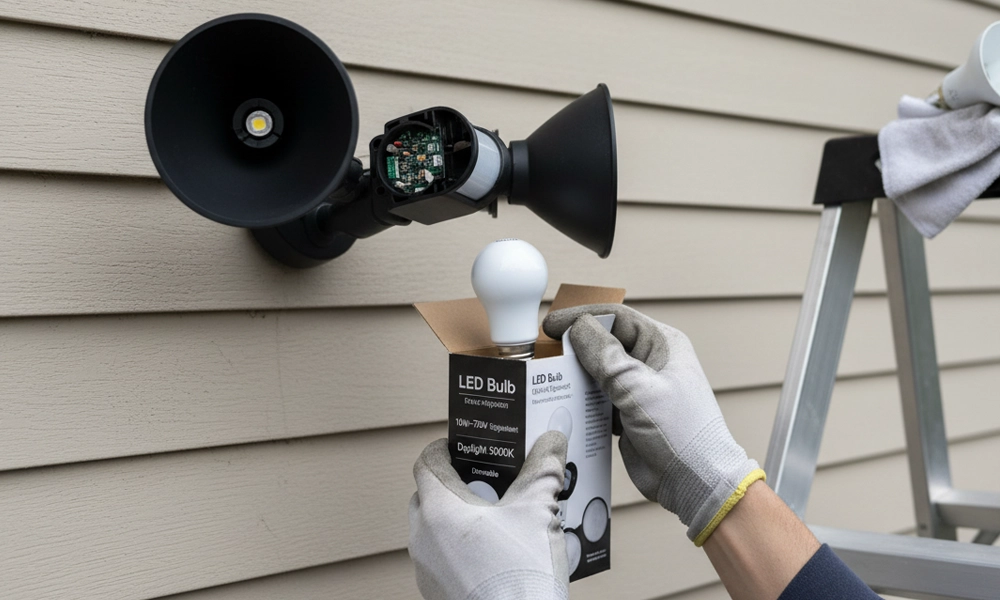 Outdoor sensor lights are available in different styles and formats to suit various home layouts and outdoor spaces. Brand choice often affects reliability, ease of setup, and long-term performance.